'Awesome crop' of cherries, early harvest looks likely
Wed, 28 Oct 2026 09:24:46 +1300
Cherries destined for locals ahead of Christmas are nearing the harvest stage with picking set to start in just a few weeks.
...
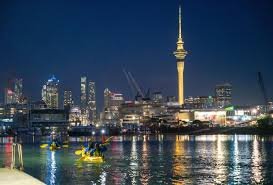

New Zealand is an island country in the southwestern Pacific Ocean. It consists of two main landmasses—the North Island and the South Island —and over 600 smaller islands. It is the sixth-largest island country by area and lies east of Australia across the Tasman Sea and south of the islands of New Caledonia, Fiji, and Tonga. The country's varied topography and sharp mountain peaks, including the Southern Alps, owe much to tectonic uplift and volcanic eruptions. New Zealand's capital city is Wellington, and its most populous city is Auckland.
Experience New Zealand’s best travel locations — North & South Islands, natural wonders, cities and iconic landscapes — with these verified travel videos.
Explore the South Island’s key scenic hotspots, road trips, lakes and fjords.
A detailed travel video showcasing Auckland’s streets, skyline, parks and waterfront.
Discover Rotorua’s geothermal wonders, Maori culture and outdoor experiences.
Milford Sound is one of New Zealand’s most dramatic fjords, with cliffs, waterfalls and serene waters.
Walk through Queenstown — the adventure and scenic lake town surrounded by mountains. :contentReference[oaicite:2]{index=2}
A vibrant harbourside city that blends urban life with beaches, parks and multicultural culture.
Geothermal springs, Maori heritage and unique landscapes make Rotorua a must‑see on North Island.
The South Island is home to peaks, fiords, lakes, glaciers and some of NZ’s most iconic landscapes.
Milford Sound is often called the “eighth natural wonder of the world” for its sheer cliffs and waterfalls.
Known as the adventure capital of New Zealand, Queenstown sits on Lake Wakatipu with dramatic mountain backdrops. :contentReference[oaicite:3]{index=3}


